
For health tech vendors & consultants
Sell into the market your clients are about to be in
Whether you build software for health plans or advise them, your roadmap and your pipeline both depend on where the market is heading. MTR gives you that view directly, or embedded in what you already deliver.
How the study works from your seat
Model the market your prospects compete in, test where each of them is building versus defending, then bring those insights to your growth and retention conversations.
Model
See your prospect's market, not its org chart
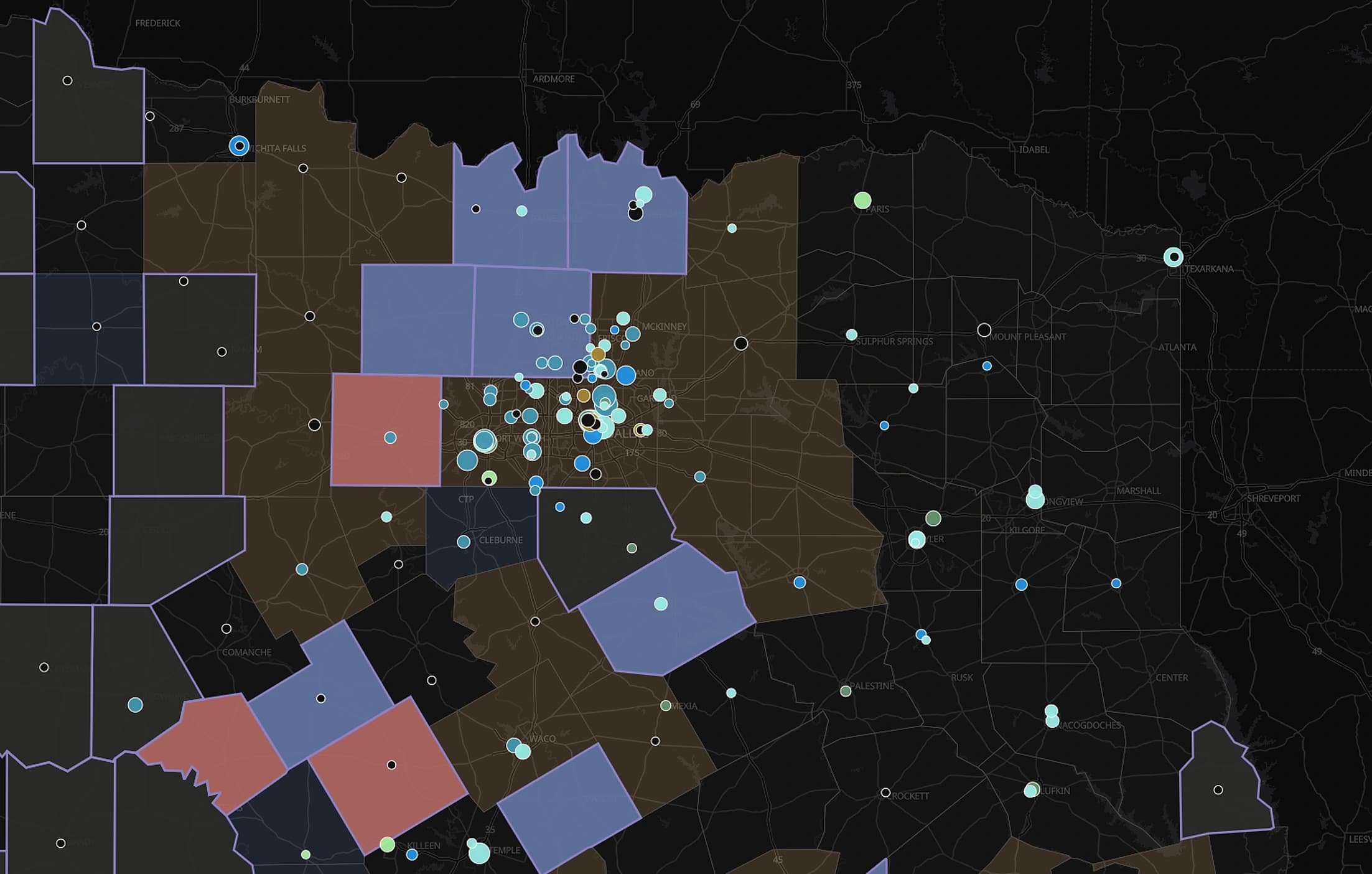
Every carrier in every county, with its modeled posture and the market's own evolution. The account you are chasing is a competitor in hundreds of separate contests, and the study computes all of them.
War-game
Qualify against the market, not last quarter
An enterprise cycle now routinely outlasts the window in which an account is still expanding. Test where a prospect is positioned to grow, and where it is positioned to contract, before the pipeline is committed to it.
Stress-test
Know which client story survives the field
Every recommendation is scored across thousands of worlds, each one a complete version of the client's market with every carrier's move in it, for durability, how much of a position survives when the field responds, so an analysis you put in front of a client holds up when that client's competitors respond to it.
4 releases, timed to your clients' year
A health plan's attention is not evenly distributed. It follows the same CMS calendar every year, and knowing where a prospect sits on it decides whether a conversation lands or waits.
October
The field reveals itself
Landscape, crosswalk, and Star Ratings publish together. Which accounts grew, which shrank, and which counties each of them left becomes visible at once, months before it is characterized on an earnings call.
January – February
Your clients' planning year opens
Selling-season share movement is decomposed and the Advance Notice runs through the competitive field. This is when a plan learns where it is squeezed, and when a proposal aimed at that squeeze is worth reading.
April
The window you cannot interrupt
Between the Rate Announcement and the June bid lock, a plan's attention belongs entirely to its own bid. Being useful in these weeks requires having been engaged before them.
July
Footprint and next year's budget
Bids are locked and attention moves to next year's map and the spend that supports it. The counties a plan is filing for tell you what it is about to need.
Where it lands inside your firm
One study, read for the decision each part of the business owns. The board is the same; what you take from it is not.
- Pipeline qualification
- Which prospects are building position in which counties, and which are preparing to defend less of it.
- Territory and account coverage
- Where to concentrate a sales team, based on where the market is opening rather than where it closed last year.
- Client delivery
- Market entry, network, and product work backed by a computed field rather than by a landscape file and a spreadsheet.
- Product and roadmap
- Which markets your clients will be operating in 4 years out, and what that implies for what you build.
- Partnerships and channel
- Which carriers are positioned to grow, so a channel bet is placed on a partner still expanding when it matures.
- White-labeled analysis
- MTR output inside your own deliverable, carrying the run and model version behind every figure.
What you are buying
A computed view of the market your clients compete in, on a licence that lets you use it in front of them.
Every account's market, not a sample
Coverage runs to every county and every carrier competing in it, so a prospect's position is assessed on the whole board rather than on the markets someone had time to check.
An engine you do not have to build
Computational game theory over the full competitive field, delivered as a subscription. Reproducing it internally is a multi-year research program rather than a sprint.
Defensible in front of a client
Every figure traces to the run, model version, and dataset that produced it, so an analysis you deliver can be audited by the client's actuaries rather than taken on trust.
Licensed for your work product
Scope is defined in the agreement, white-labeled use included, so the question of what you may put in front of a client is settled before you need the answer.
See it run on your market
A live walkthrough of the Latitude Study on the counties that matter to you.